EN

    Gum Care Clinic

    Periodontists have spent four years at a university hospital in gum research and clinical practice — they are experts in gum care.

    Our periodontists, who specialize in diagnosing, treating and maintaining gum health, care for your gums attentively and systematically.

    Periodontal care from a periodontist

    What is periodontitis?

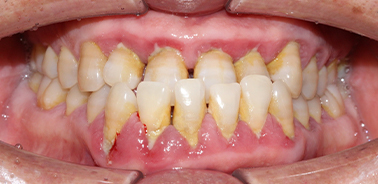
    Periodontitis is a bacterial disease of the mouth and one of the most common diseases in Korea today.

    Also called gum disease, it becomes more common with age.

    Cause

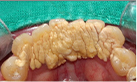
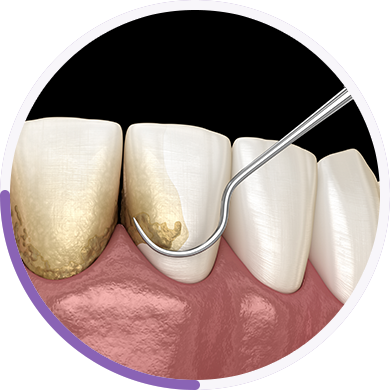
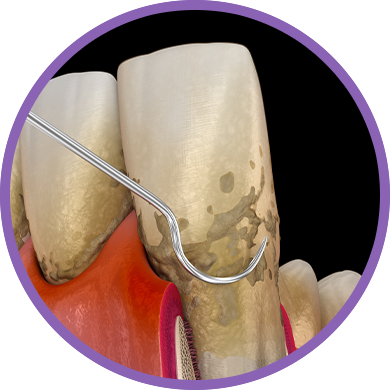
    Bacterial plaque on the teeth that is not removed builds up into tartar, and toxins released by the plaque cause inflammation in the surrounding tissue.
    Symptoms
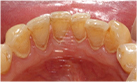
    • Bleeding when brushing or with the slightest touch
    • Dark red gums
    • Gums pulling away from the teeth, or a dull ache when chewing
    • Loose teeth
    • Bad breath
    Treatment

    Medication alone cannot solve it;

    non-surgical or surgical gum treatment at a dental clinic is needed
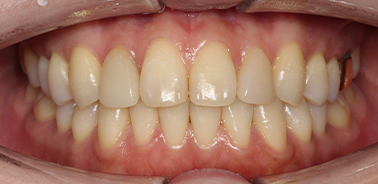
    Why gum treatment matters

    The foundation of oral health

    Gums are the foundation of oral health: if they deteriorate, even healthy teeth may have to be removed.

    Worsening of systemic diseases

    When gum disease becomes severe, bacteria can spread through the bloodstream to the whole body, which may worsen conditions such as diabetes (6×), cardiovascular disease (2.2×), vascular dementia (1.6×) and stroke (2.8×) .

    Early detection and treatment matter

    Most gum disease is chronic and progresses without pain, so by the time pain brings you in, it has usually already progressed to the point where the tooth must be removed. That is why early detection and treatment are important.

    Risk of recurrence

    Gum disease is infectious and tends to recur: if the bacteria are not removed, neighboring teeth are affected, and without regular check-ups it easily comes back.

    Older patients and long-term effects

    It becomes more likely with age, and the further it progresses, the harder it is to return to the original state.

    Stages of gum disease

    Stage 1
    Stage 2
    Stage 3
    Stage 4
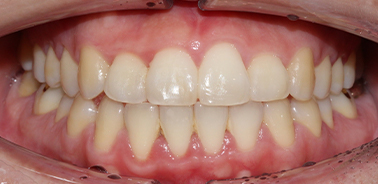
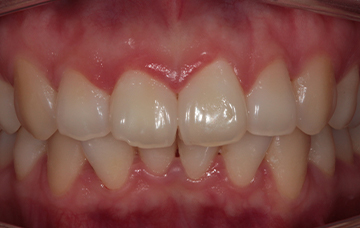
    Healthy pink gums
    Oral check-up and scaling every 6 months
    Early gingivitis
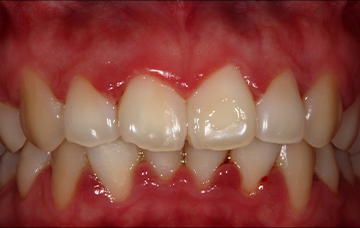
    Bleeding when brushing and a feeling of swollen gums
    Moderate periodontitis
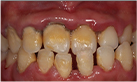
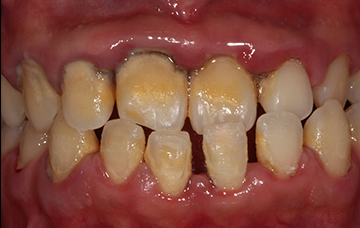
    Dark red gums that bleed at the slightest touch, marked swelling, and teeth beginning to loosen
    Advanced periodontitis
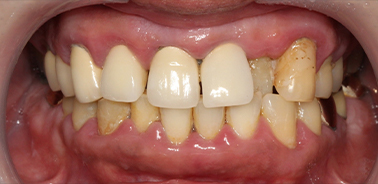
    Bleeding and pus, severe pain, or very loose teeth

    Types of gum treatment

    Non-surgical treatment

    Surgical treatment

    Scaling

    A procedure to remove plaque and tartar from the tooth surface: hard tartar that brushing cannot remove is cleaned off with ultrasonic instruments.

    For patients with sensitive teeth, we use an anesthetic mouth rinse.

    Root planing

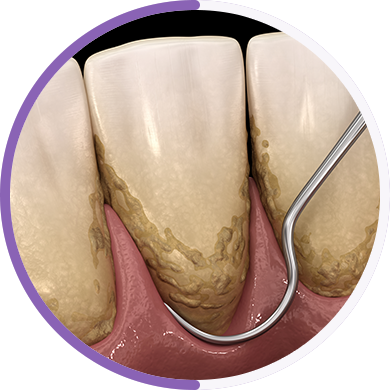
    A procedure that removes plaque and tartar from shallow areas below the gumline without anesthesia to leave the root surfaces clean.

    Subgingival curettage

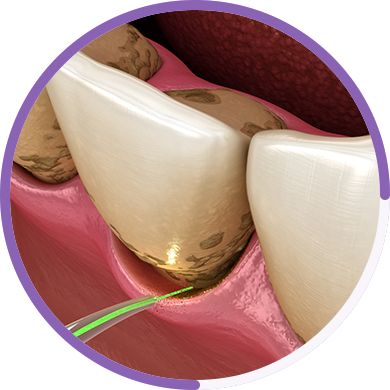
    A procedure that removes tartar and inflamed tissue from deep areas below the gumline under local anesthesia to clean the inside of the gum pocket.

    Periodontal flap surgery

    When chronic gum disease cannot be resolved with curettage, this procedure opens the gum to remove deep-seated tartar and inflammation.

    Depending on the case, it may be combined with periodontal regeneration using bone grafts, or with bone recontouring to reshape the bone.

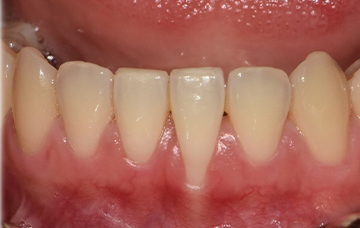
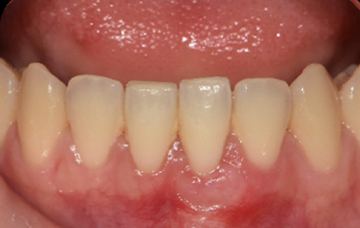
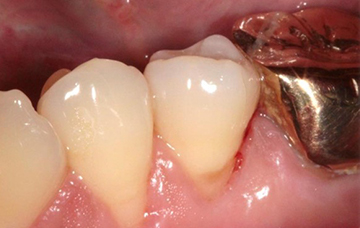
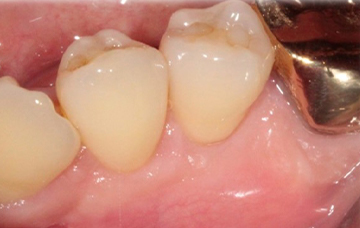
    Gum treatment: before & after

    Before

    After

    Before

    After

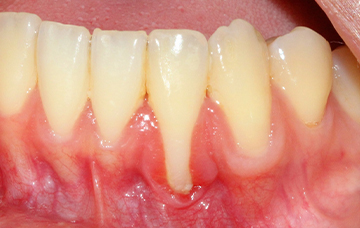
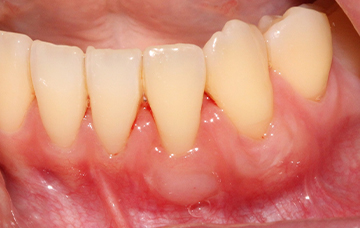
    Gum grafting

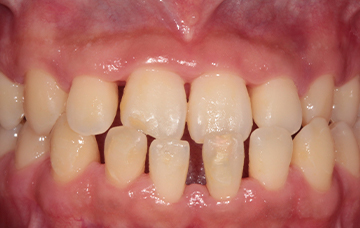
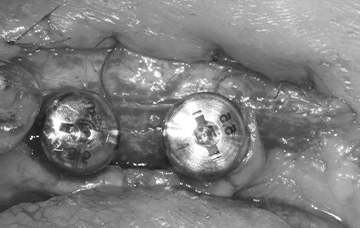
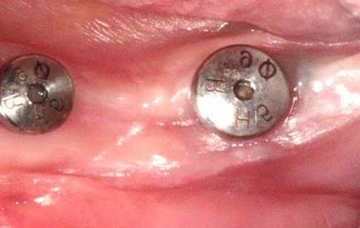
    When factors such as gum disease, excessive chewing force, malocclusion or orthodontic forces cause the gum (gingiva) to recede, or to build firm gum tissue around teeth or implants, gum grafting is performed.

    The appearance of unsightly areas improves, and reshaping the gums gives them a structure that resists bacteria, resulting in healthier gums.

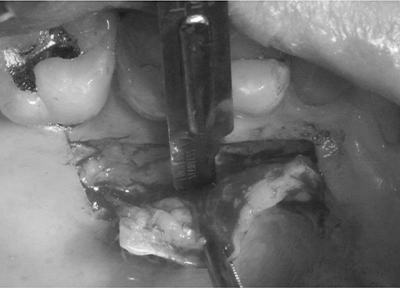
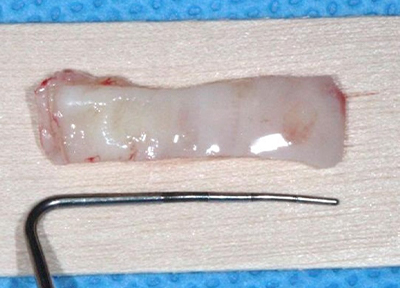
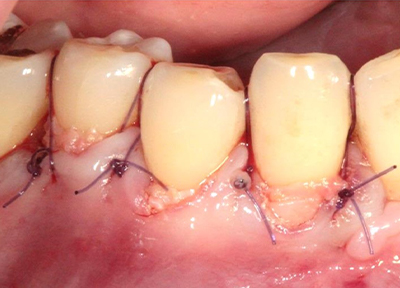
    Gum grafting: step by step

    1

    Connective tissue is taken from the patient's own palate.

    2

    It is trimmed to fit the graft site.

    3

    After grafting, the gum is sutured.
    Gum grafting: before & after

    Before

    After

    Before

    After

    Before

    After

    Before

    After

    National Health Insurance coverage (Korea)

    Insurance-covered scaling once a year

    Adults aged 20 and over can receive insurance-covered scaling once a year

    For persons enrolled in Korean National Health Insurance

    Scaling as part of gum treatment
    When scaling is done as the first step before further treatment of gum disease, it is covered by health insurance.