TMJ Treatment

Our dentists have completed training from a Korean society for TMJ and occlusion — the Yonseirian team is here to help.
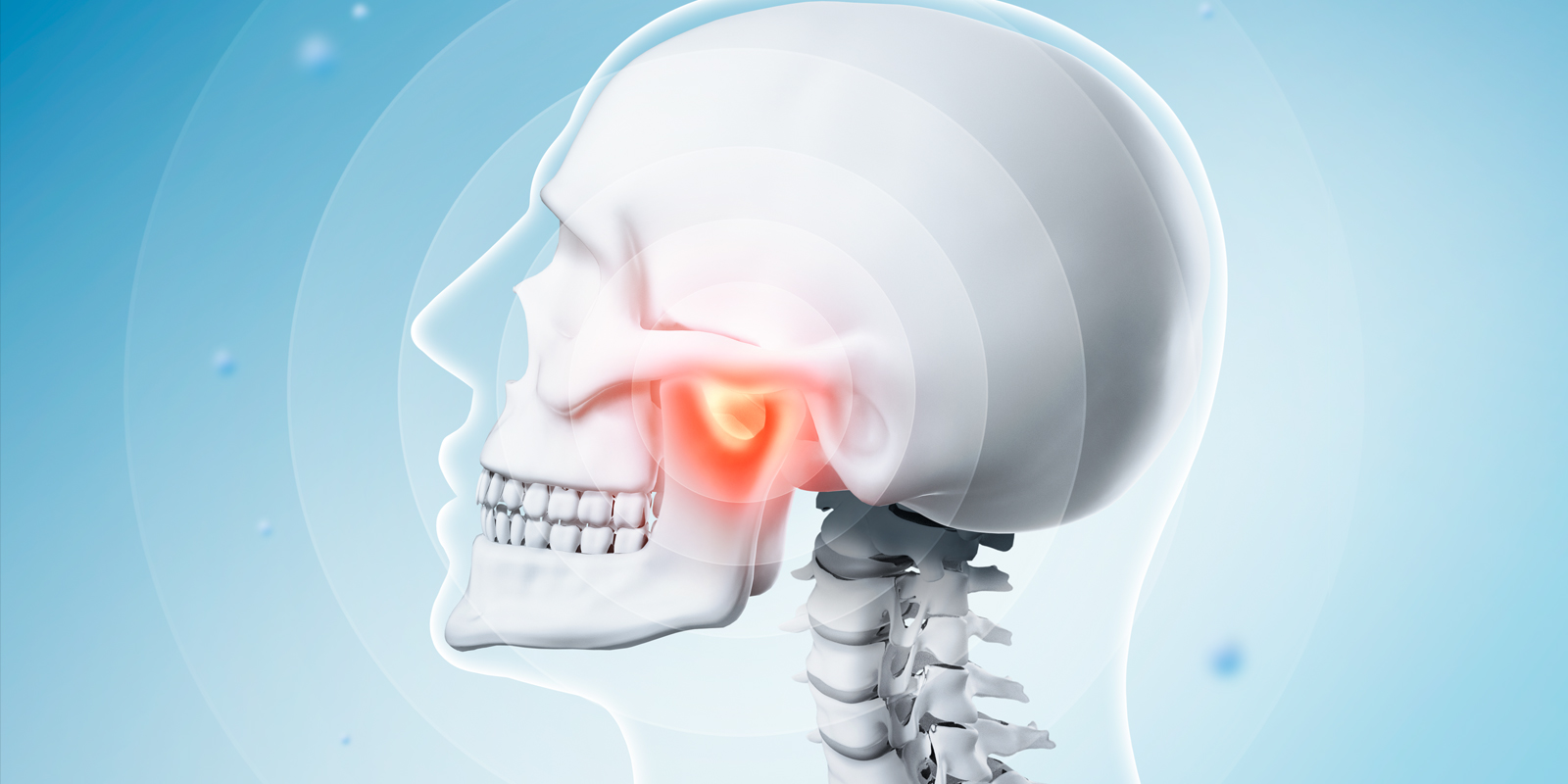
TMJ disorders relate to how the teeth meet (occlusion);
the jaw joint disc, facial muscles and the overall condition of the mouth
must all be considered in this field of dentistry.
For oral habits you may not even be aware of, muscle tension and bite problems,
a TMD diagnostic examination, medication and non-invasive
conservative treatment can help with jaw pain, clicking sounds, limited mouth opening and other
problems.
How TMJ disorders are diagnosed
Medical history
Stress scale assessment
TMJ panoramic X-ray
Low-dose cone-beam CT
Jaw joint
movement check
Pain source
analysis
Using DC/TMD:
diagnosis and treatment plan
How TMJ disorders are treated

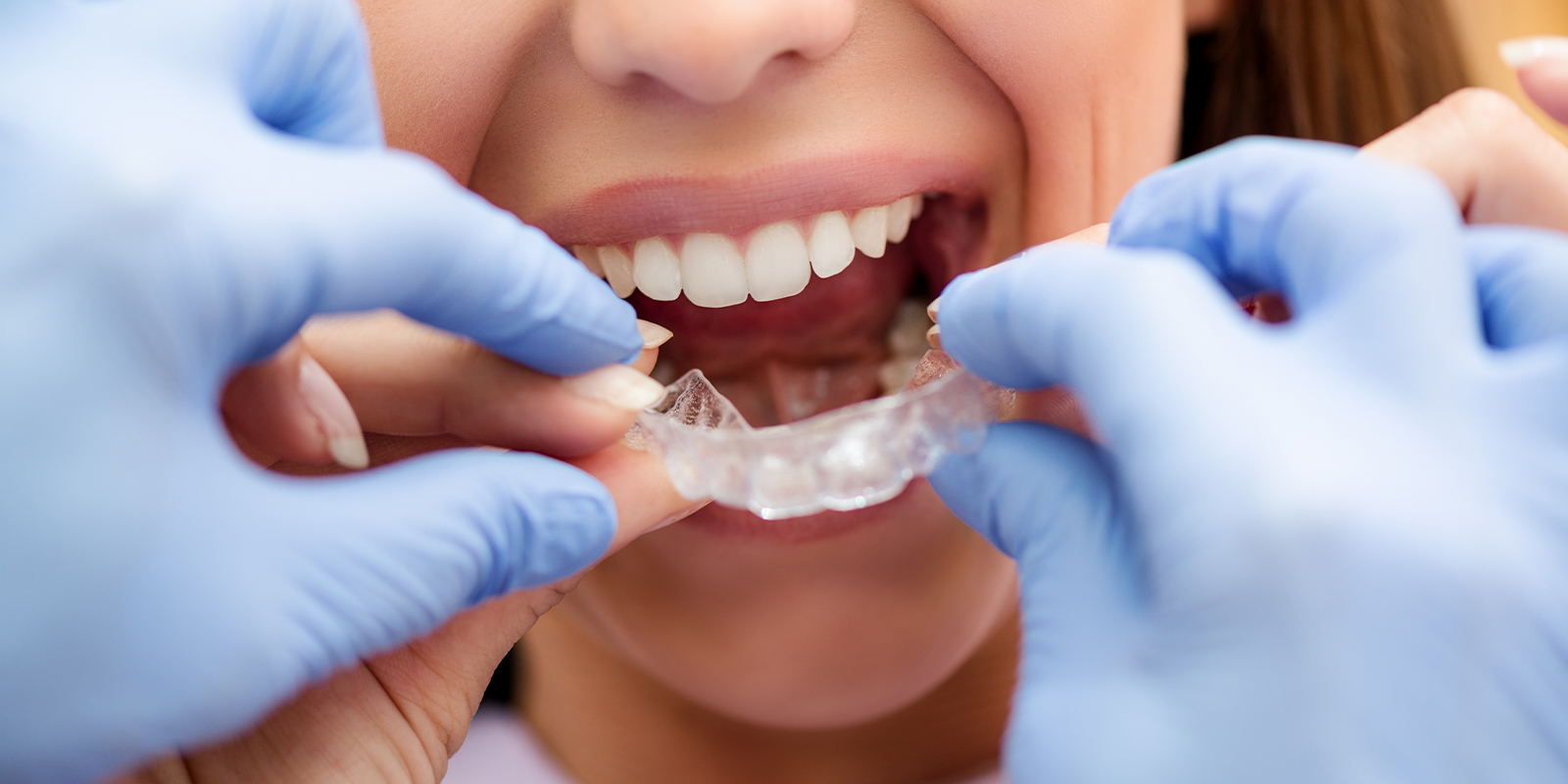
Correcting oral habits

Physical therapy such as spray-and-stretch

Medication

Botulinum toxin injections
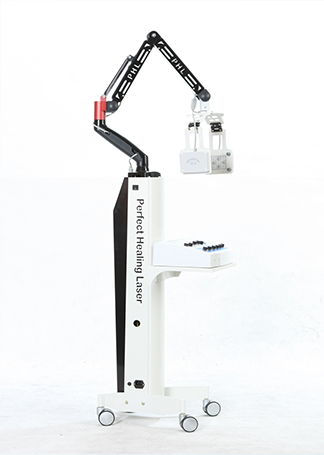
PHL (laser therapy device)
Uses a high-performance diode laser and near-infrared light to help relieve pain and inflammation and relax muscles.
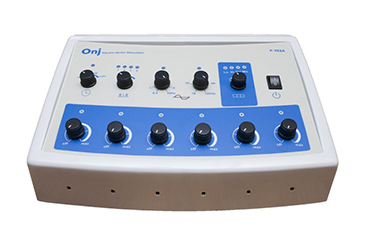
TENS
Promotes blood and lymph circulation to relieve muscle fatigue and pain.
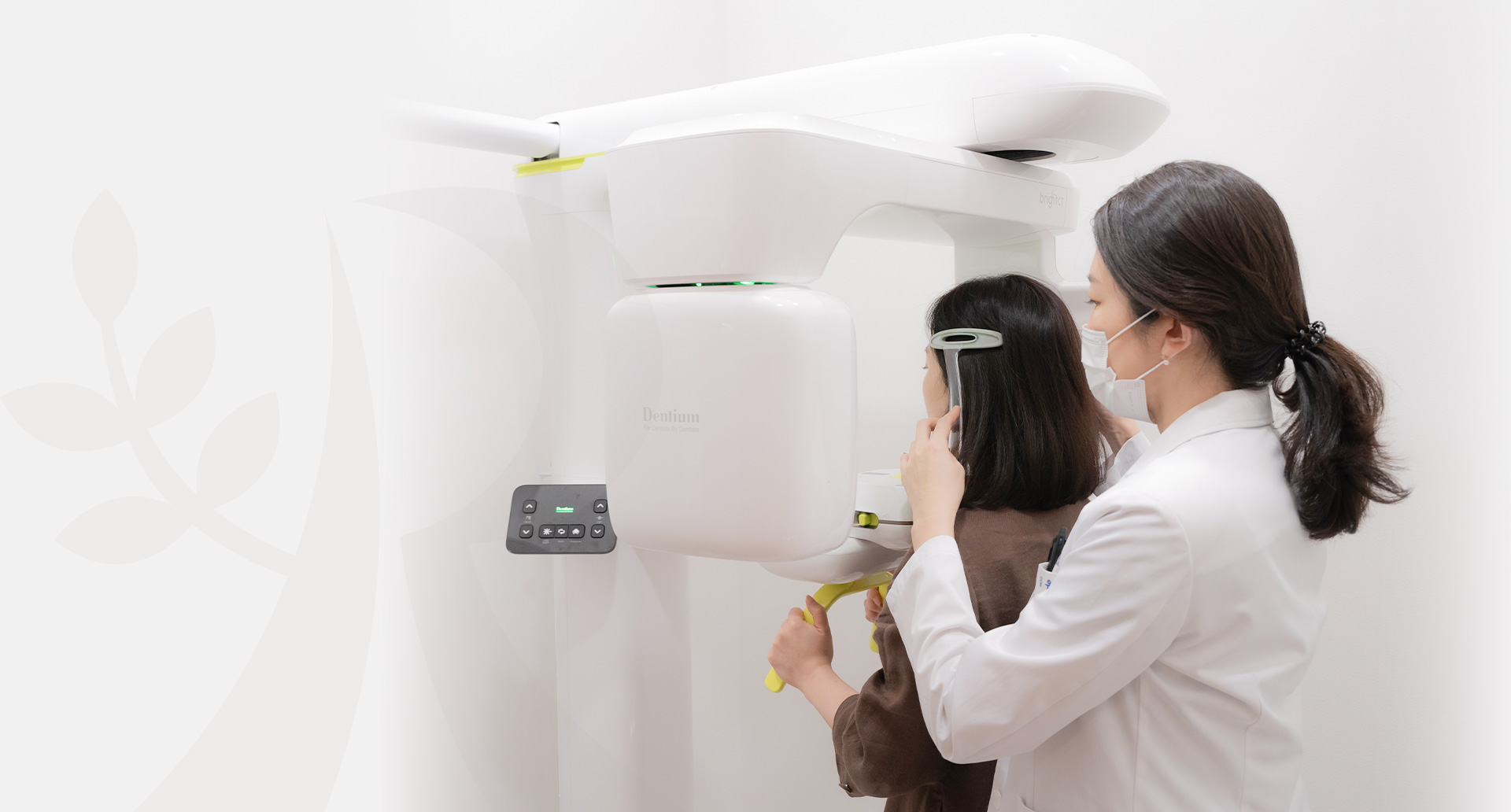
At Yonseirian Dental, we use a TMJ-specialized low-dose CBCT for precise analysis of the jaw joint.
For precise and accurate TMJ imaging,
we use a dedicated low-dose CBCT
to image both jaw joints at the same time.